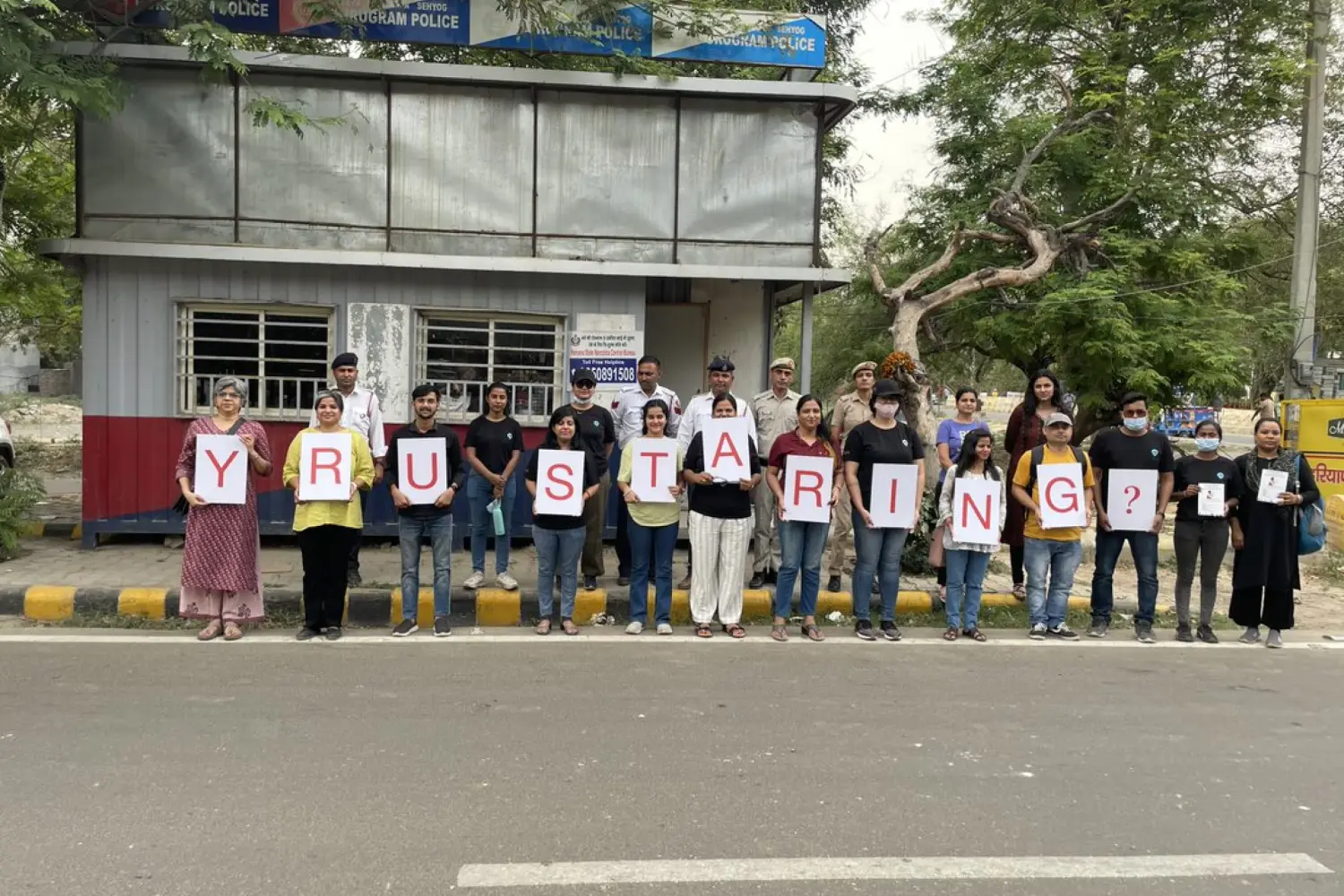
Our mission
Transform urban mobility and create livable, accessible and equitable cities through data insights, safe & sustainable infrastructure, and collaboration.
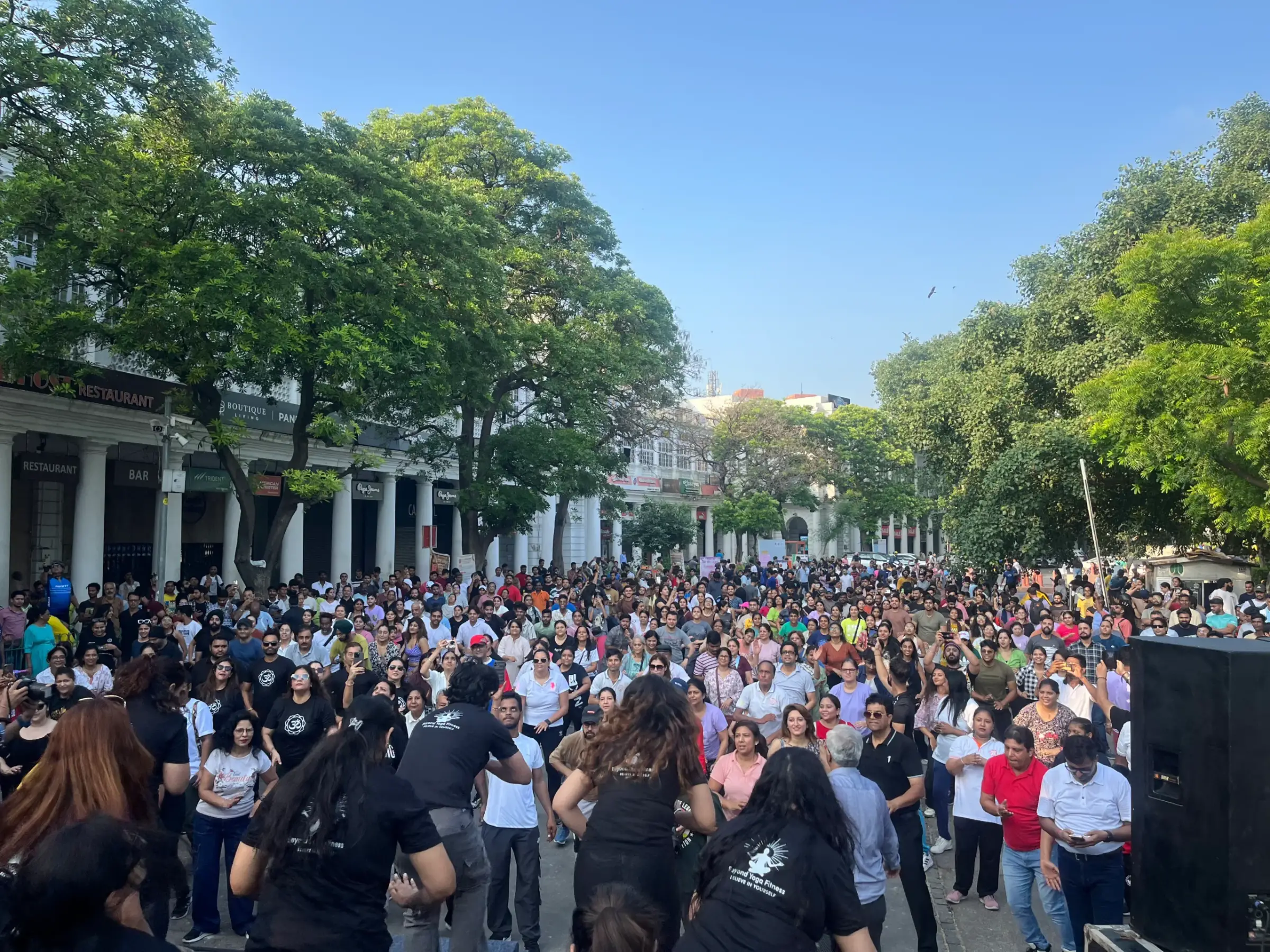
India's citizen movement for people-first streets
Since the first car-free Sunday in Gurugram in 2013, Raahgiri has grown into a movement across 100 Indian cities — reclaiming roads for walking, cycling, breathing and belonging.
Who we are
Raahgiri Foundation is a non-profit trust working to improve the quality of life in India's cities and towns. Established in 2015, we grew out of a citizen movement into a coalition of state governments, city administrations, non-profits, businesses and funders.
We work where policy meets pavement: gathering evidence, redesigning junctions, training the people who build and police our roads, and handing streets back to the citizens who use them every day.
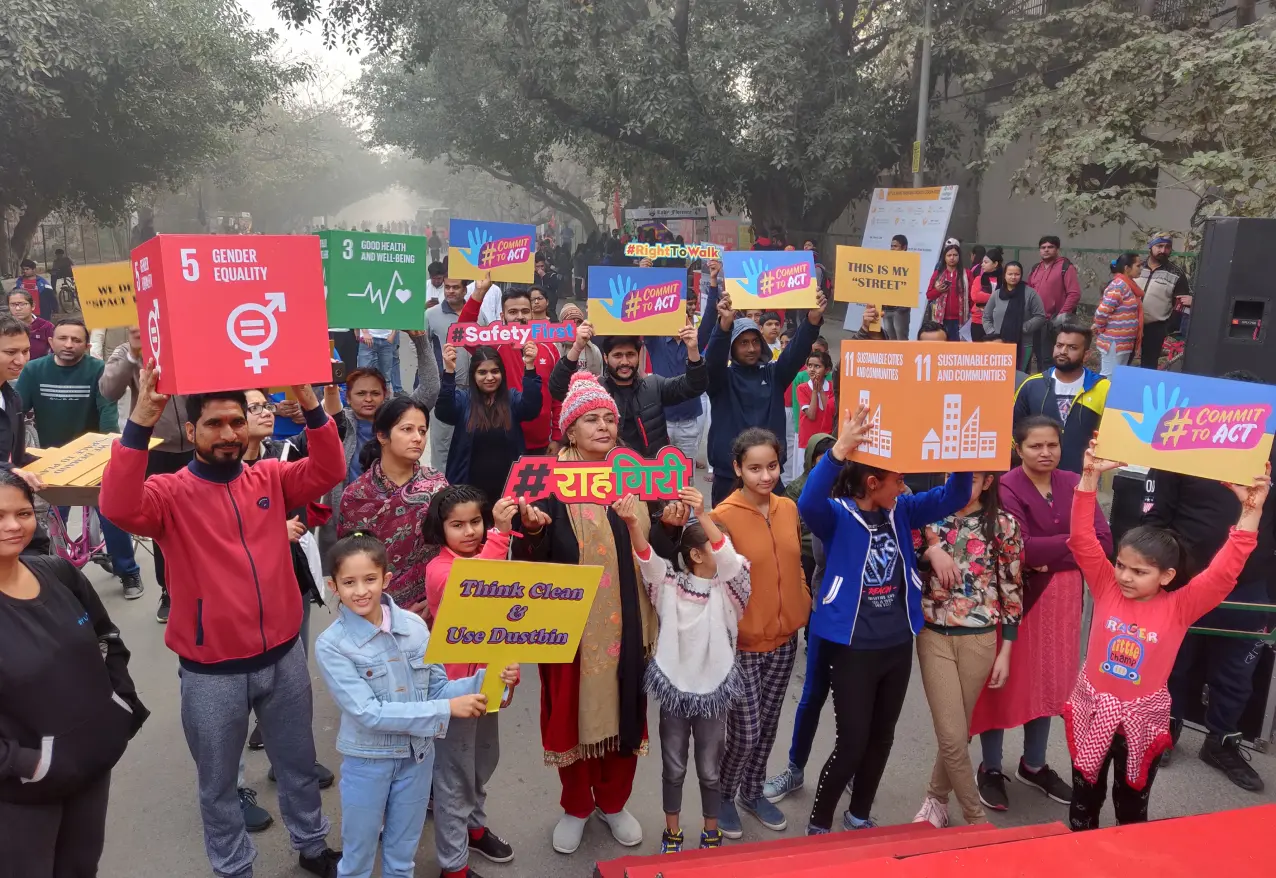
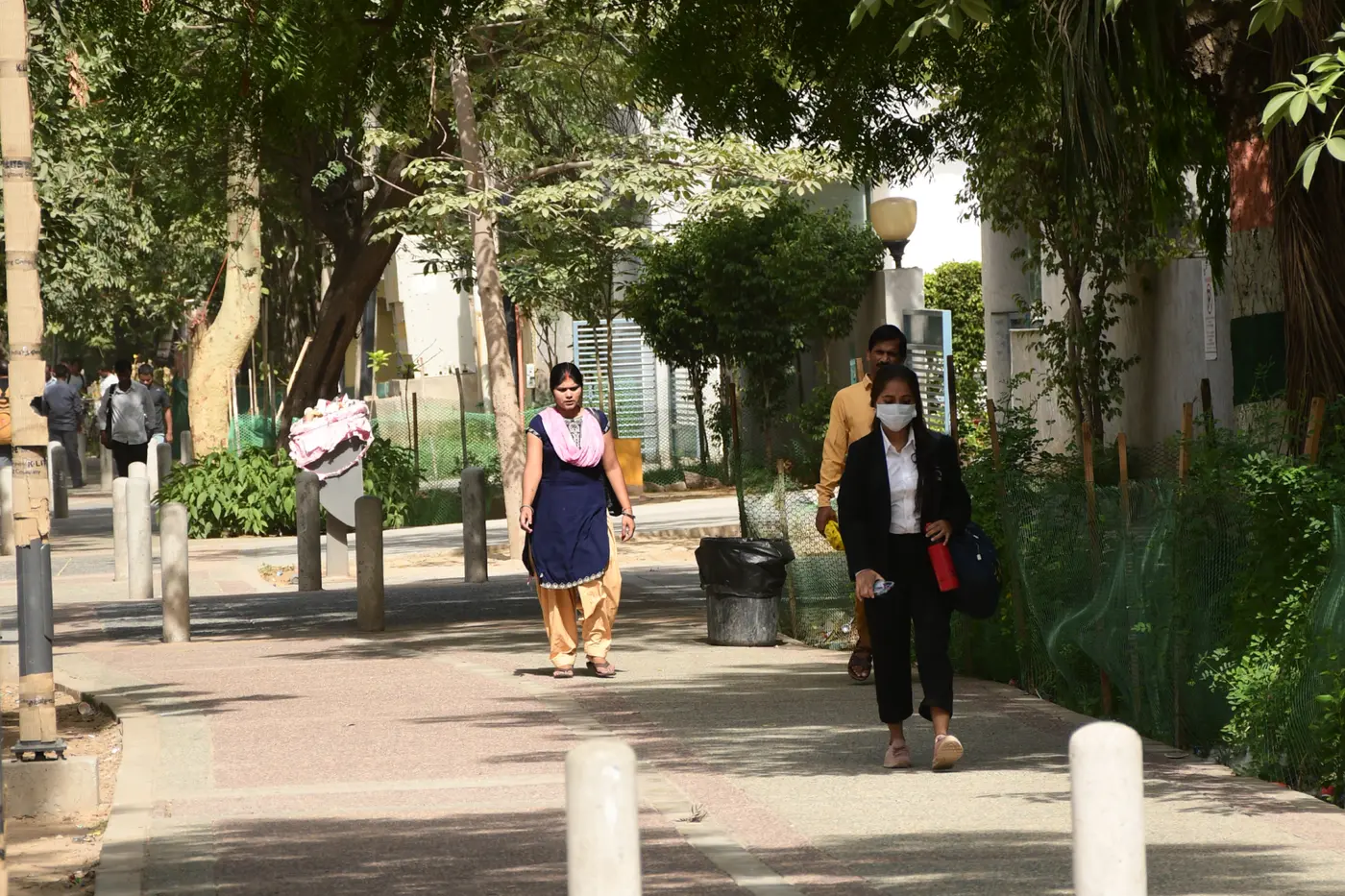
Transform urban mobility and create livable, accessible and equitable cities through data insights, safe & sustainable infrastructure, and collaboration.
Design sustainable, vibrant and safe habitats where everyone has access to safe roads for mobility and clean air to breathe.
Our core principles
We embrace diversity and extend care to others, fostering an environment of empathy and understanding.
We cultivate connections grounded in trust, championing the co-creation of visions, ideas and solutions.
We stay inquisitive, welcome feedback and draw lessons from both triumphs and setbacks.
The four pillars we build on
How change happens
Engage · Demonstrate · Accelerate
01
Listen to citizens, convene unlikely allies and build a shared understanding of the street.
02
Turn research into tactical pilots people can walk through, use and evaluate in real life.
03
Translate proven ideas into policy, institutional capacity and city-scale adoption.
2025
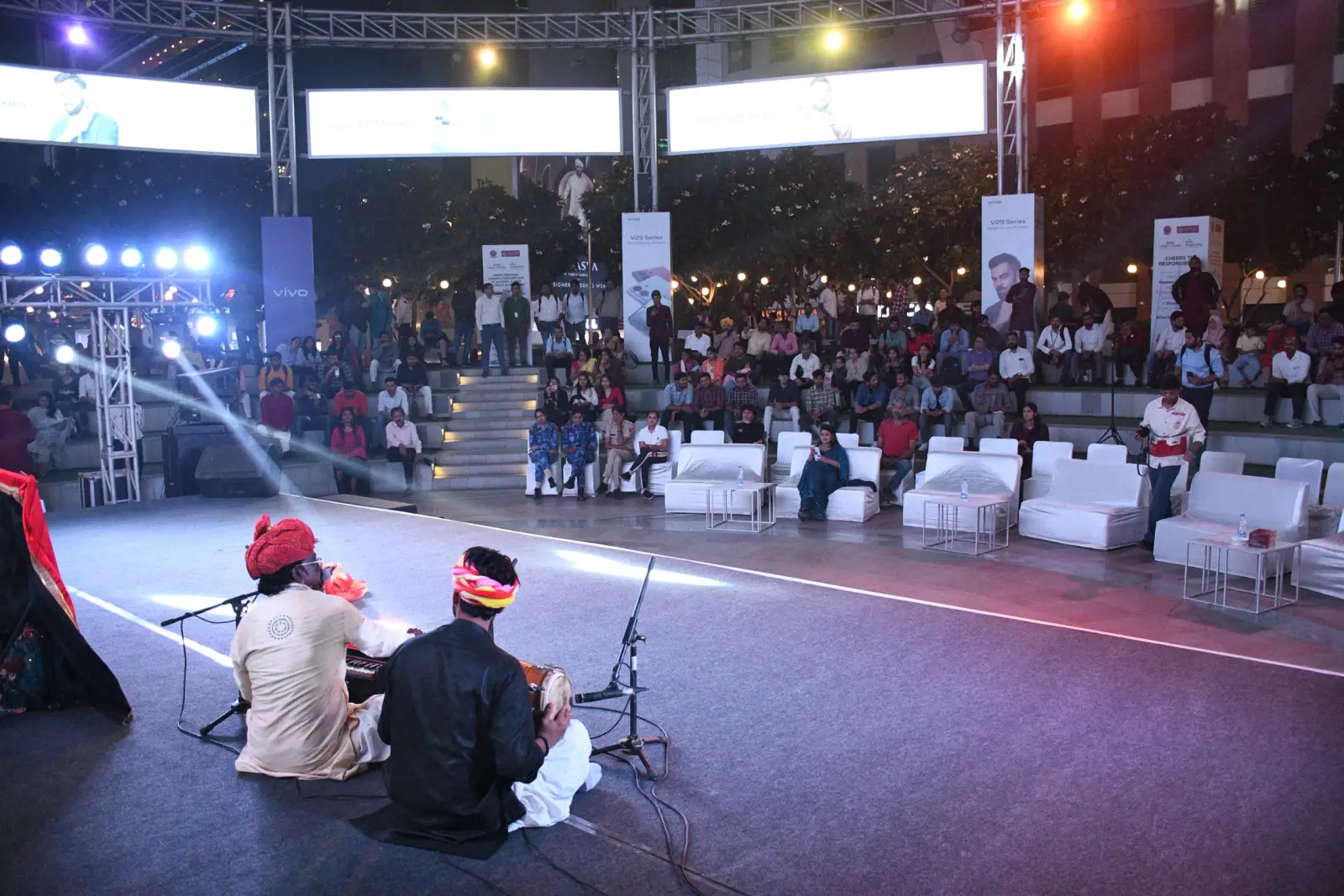
A three-day gathering from World Bicycle Day to World Environment Day brings changemakers, artists, youth and policymakers together in New Delhi.
2024
With the TRUE Initiative and ICCT, real-world tailpipe emissions are tested on Delhi and Gurugram roads using remote sensing — evidence for low-emission zones.
2023
Within a year of intersection redesign work, pedestrian deaths in Gurugram fall by 12.7% and three black spots are resolved.
2022
Launched as part of the global effort to bring road fatalities to zero, combining redesigned intersections with community engagement.
2015
Raahgiri Foundation is established as a non-profit trust, turning a Sunday habit into long-term work on mobility, safety and clean air.
2013
Raahgiri Day launches in Gurugram — India's first sustained car-free citizen initiative. Streets close to cars for a few hours and fill with people instead.
Our impact
Every figure below began with a street, a citizen and a question: who is this road actually for?
Car-free mornings held since 2013
People who have walked, cycled and played on reclaimed streets
Indian cities that have hosted a Raahgiri Day
Lives touched through programmes and campaigns
What changed on the ground
In one year of Gurugram Vision Zero intersection redesign
High-risk locations rebuilt for safety
SDG 3, 5, 11 and 13 sit at the centre of our work
A movement with a footprint
Raahgiri Days, street redesigns, low-emission zone studies and training programmes across northern and central India.
GurugramHaryana
Raahgiri Day · Vision Zero · Complete Streets
DelhiNCT
Raahgiri Day · Emissions testing
PanchkulaHaryana
Road safety & crash investigation
ChandigarhChandigarh
Traffic police collaboration
RohtakHaryana
Raahgiri Day
ManesarHaryana
Street safety
MathuraUttar Pradesh
Low-emission zone · EV adoption
VrindavanUttar Pradesh
Low-emission zone · EV adoption
VaranasiUttar Pradesh
Clean mobility in heritage zones
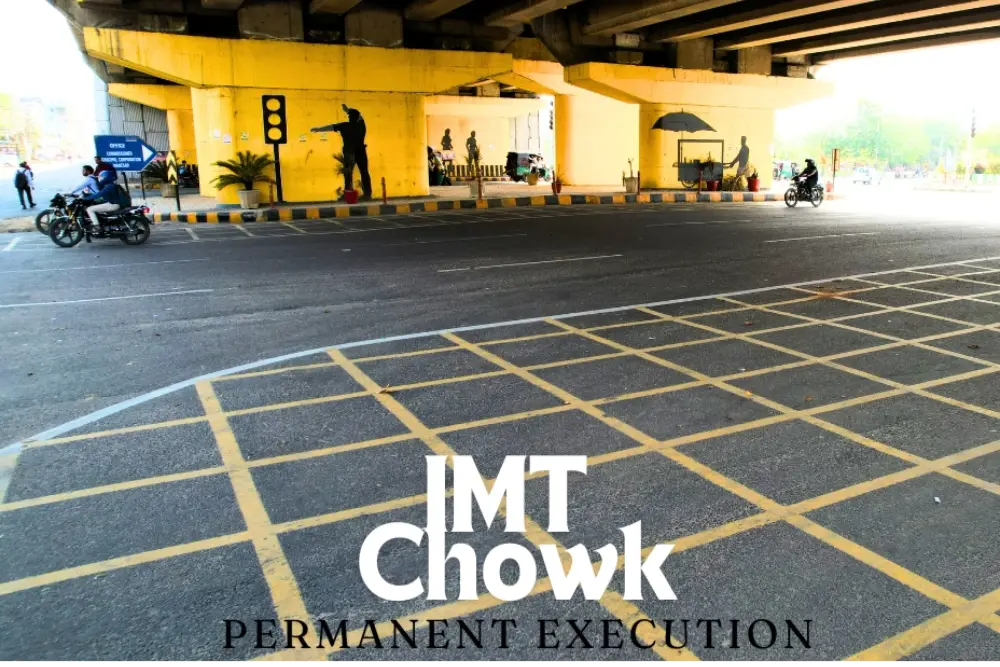
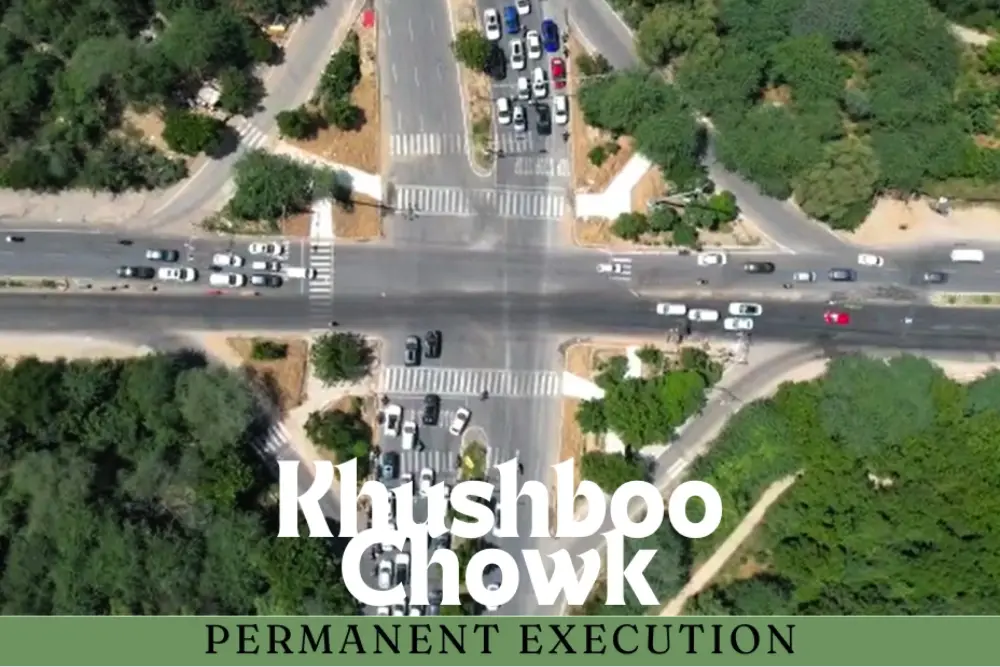
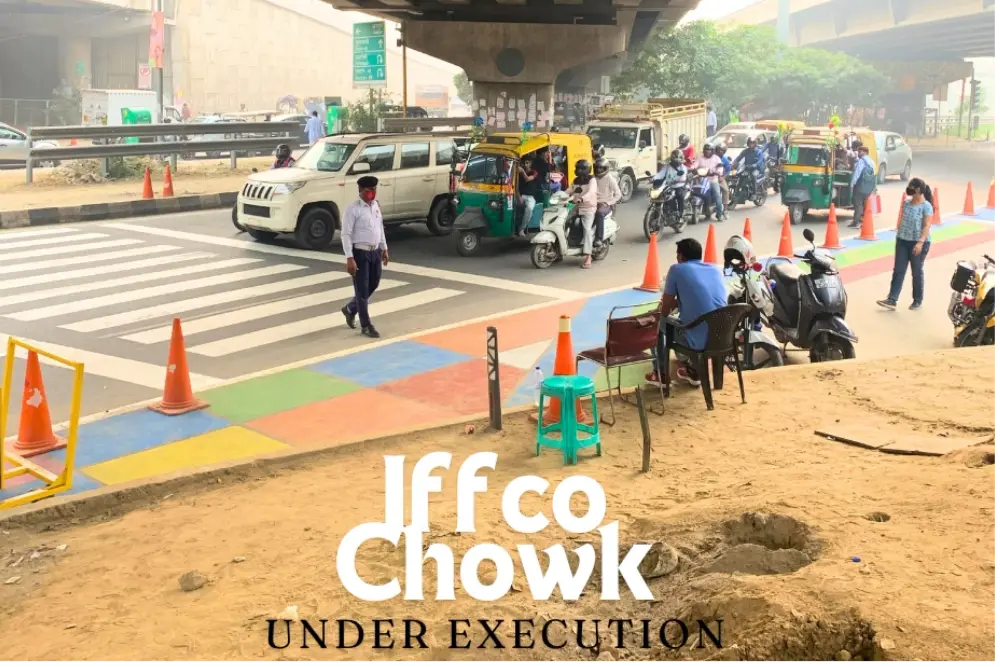
Gurugram Vision Zero
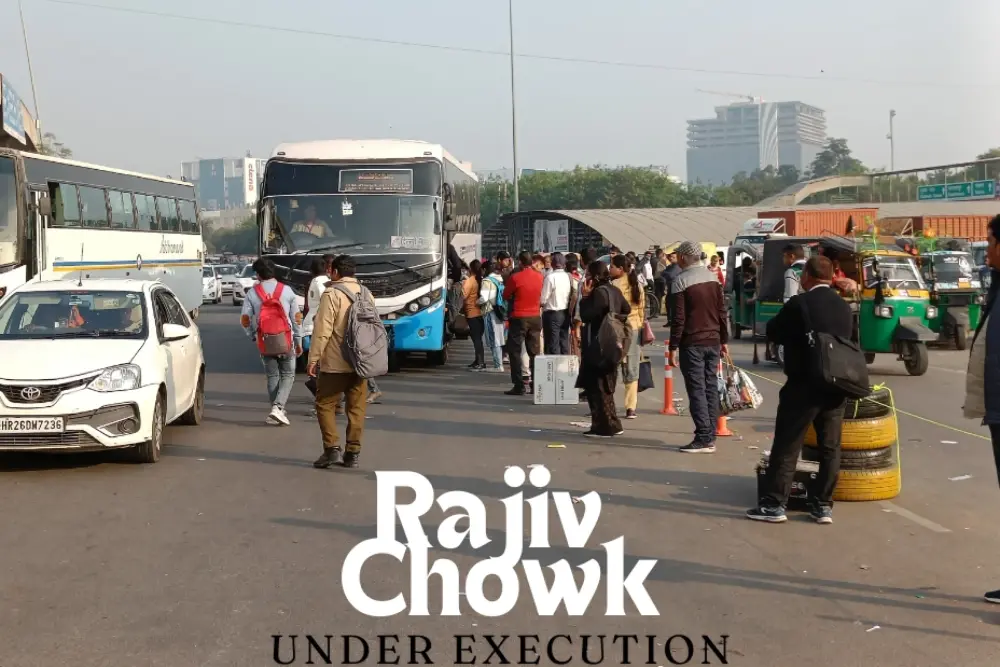
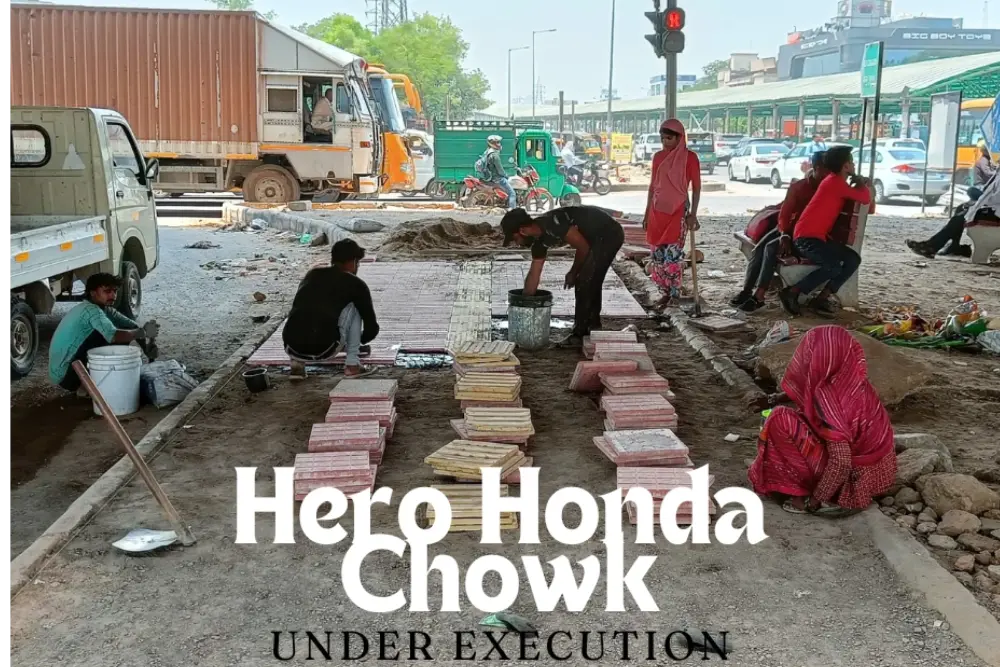
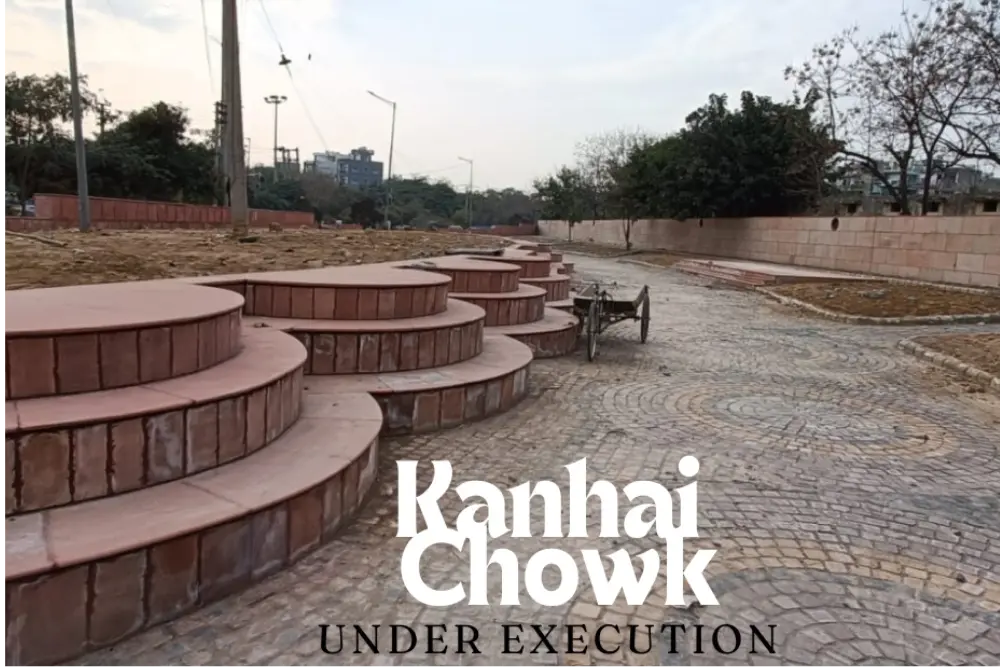
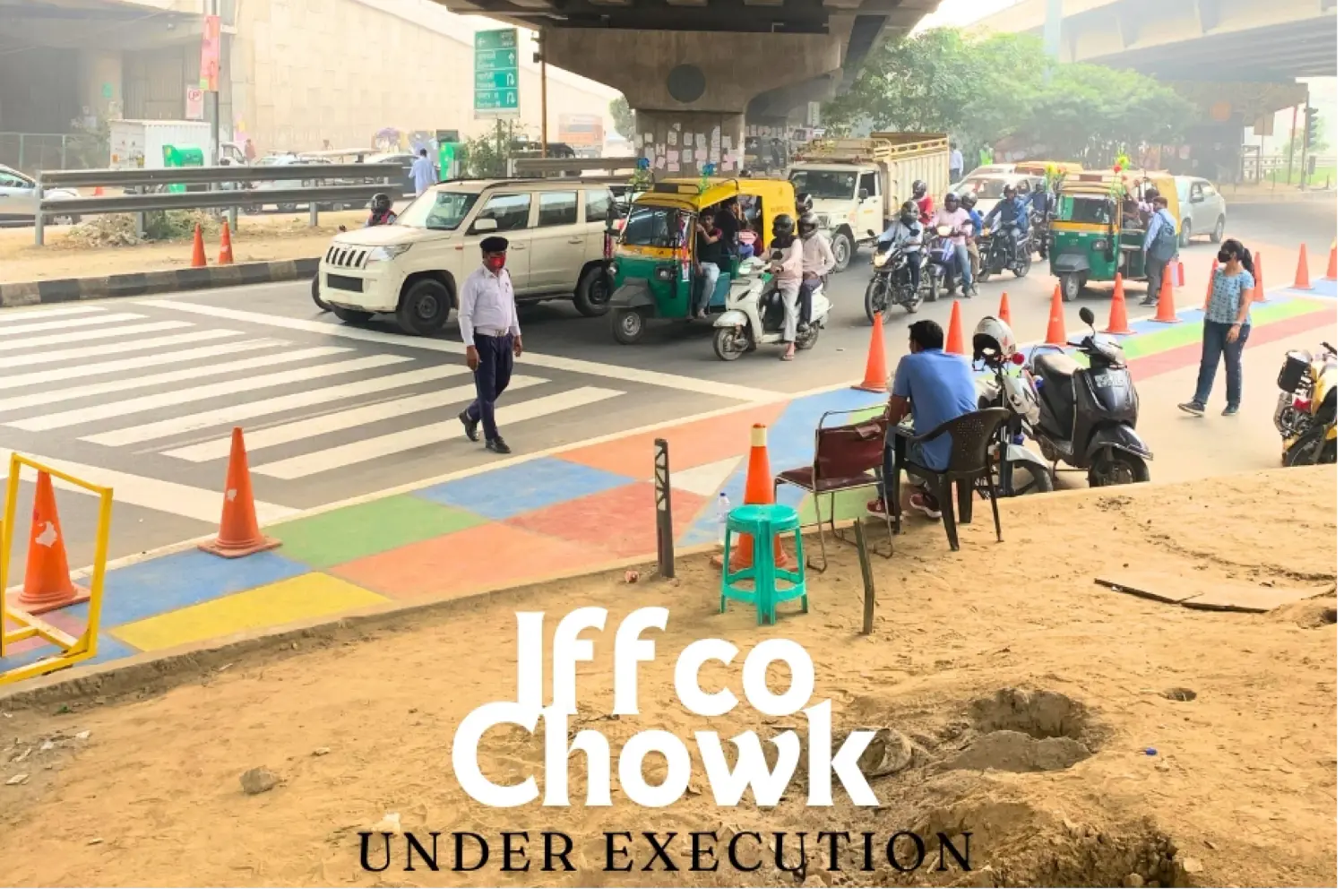
Under Gurugram Vision Zero, the city's most dangerous intersections are being redesigned one by one — from tactical trials in cones and paint to permanent construction.
Our work
Each one starts on a real street, with the people who use it — and ends in policy, capacity and habit.
Design for everyone
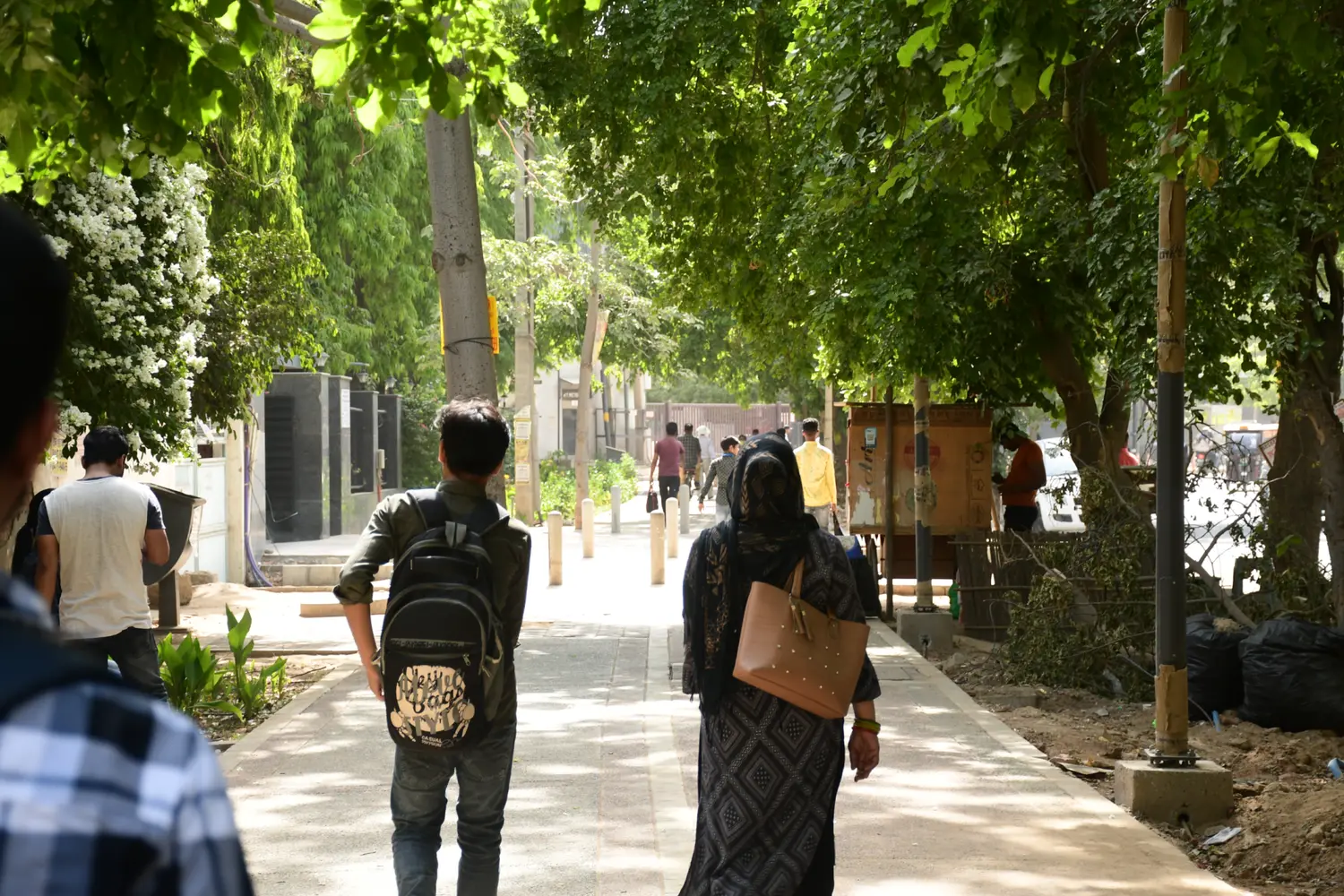
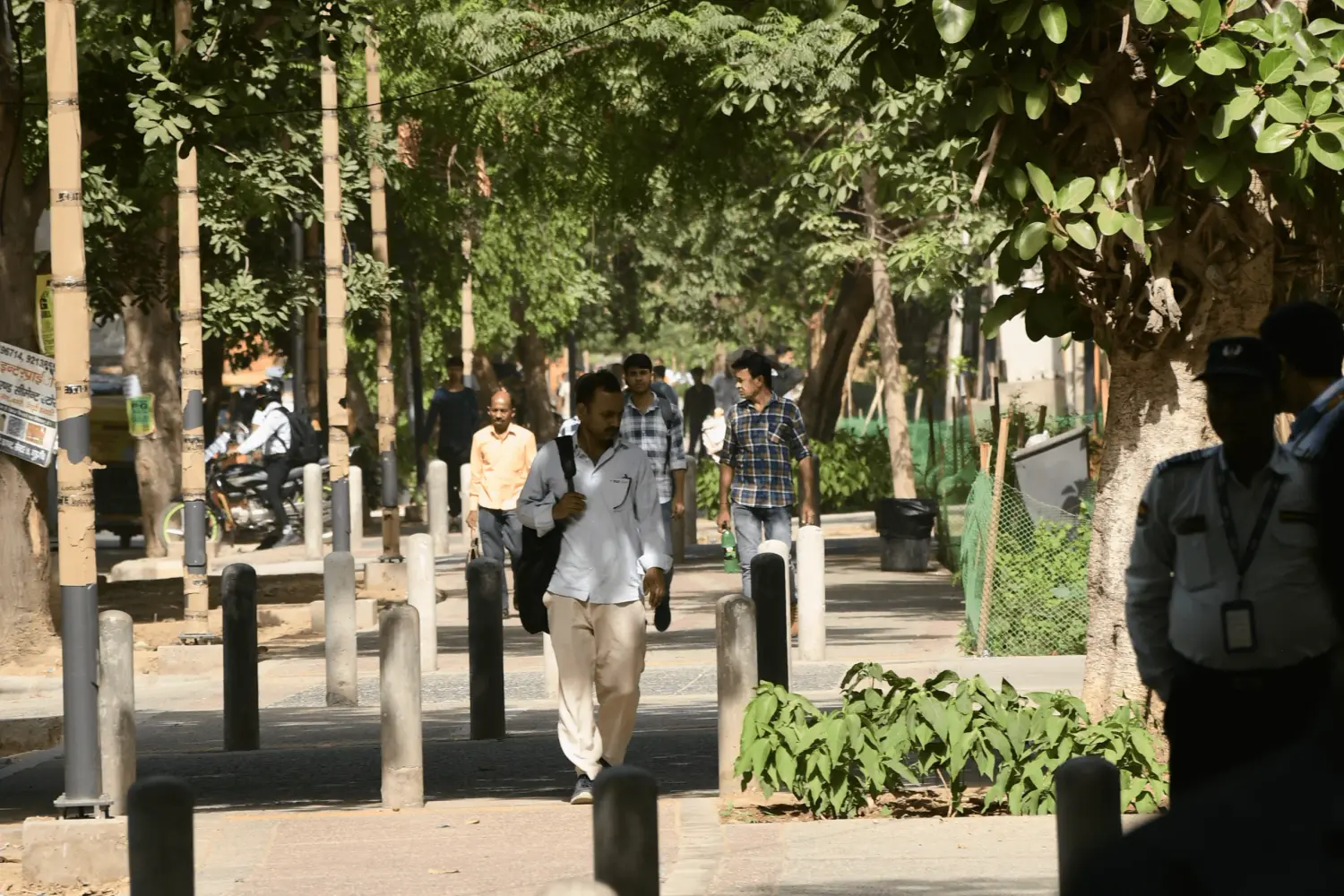
Vulnerable road users — people walking and cycling — carry the heaviest cost of poor street design. Complete Streets puts them first.
We redesign streets so that walking, cycling, transit and access all have a place. From MG Road to Sectors 58–67 in Gurugram, footpaths, crossings, cycle infrastructure and junctions are rebuilt around people rather than vehicle speed.
No death on the road is acceptable
Traffic deaths are not accidents. They are the predictable outcome of choices we can change.
Gurugram Vision Zero launched in 2022 as part of the global effort to bring road fatalities to zero. Safe road design, speed management, targeted enforcement and education work together — and in one year pedestrian deaths fell by 12.7% while three black spots were resolved. The approach now extends across Haryana and Punjab.
Reclaiming clean air
Indian cities live with some of the world's worst air. Much of it comes out of a tailpipe.
We advocate low-emission zones, electric vehicle adoption and better public transport. In Varanasi, Vrindavan and Mathura we are building clean mobility in heritage and tourism zones in line with the Uttar Pradesh EV Policy 2022. With the TRUE Initiative and ICCT, on-road vehicles in Delhi and Gurugram were tested using non-intrusive remote sensing to give policymakers real-world emissions evidence.
Where the movement began
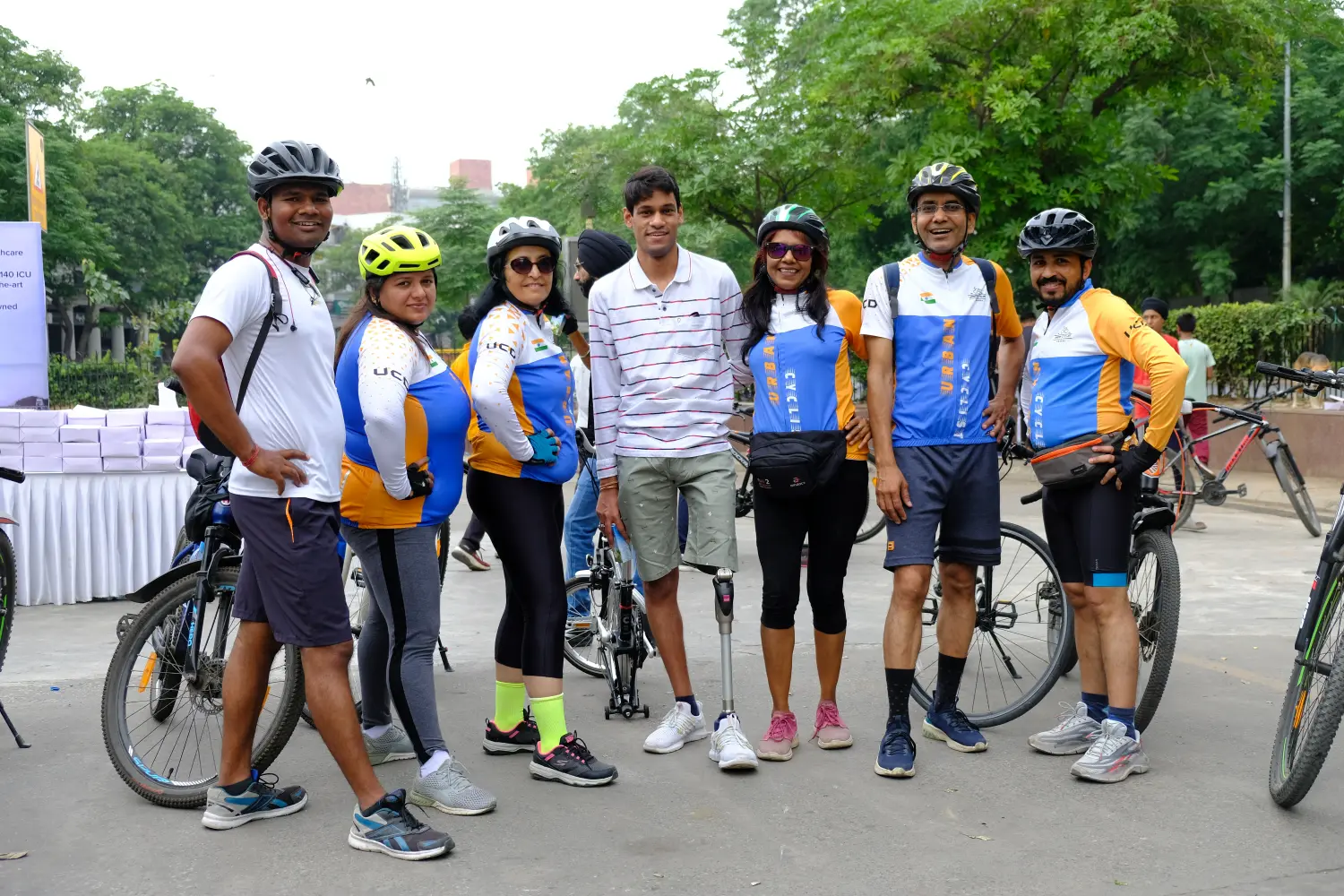
For four to five hours every Sunday, a stretch of street stops belonging to cars.
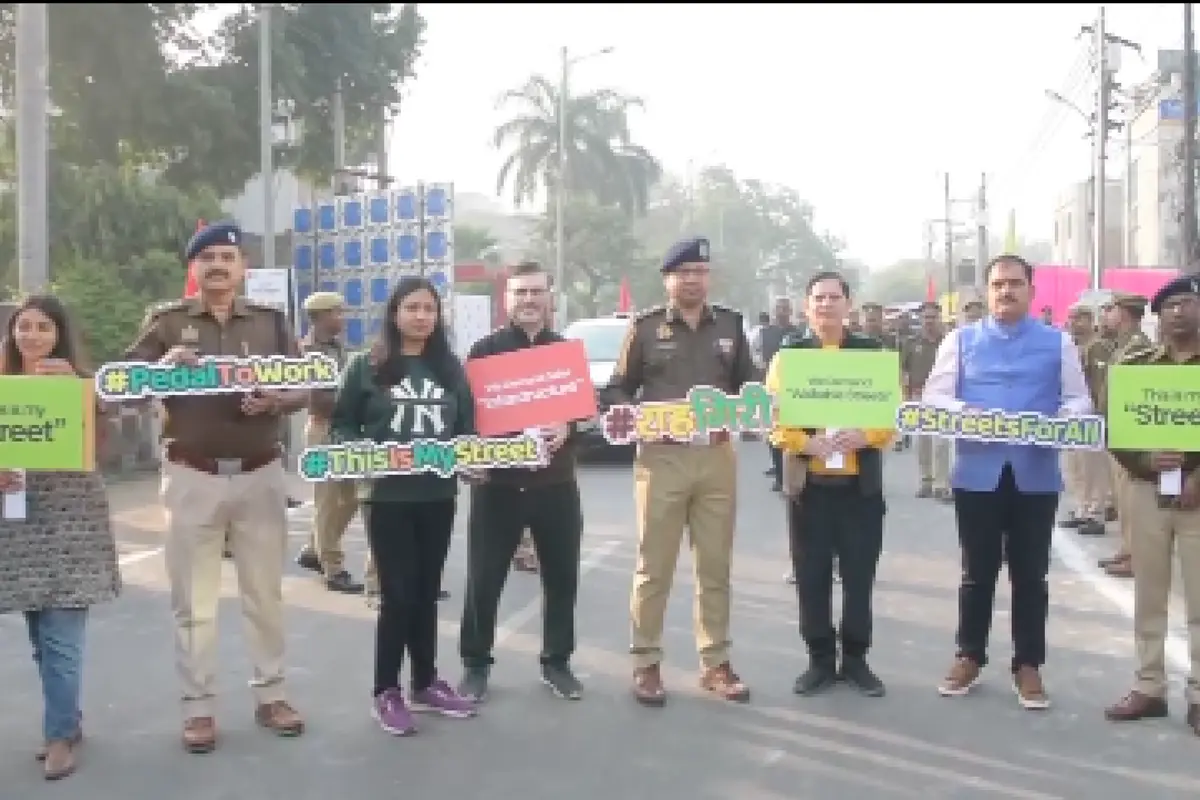
Launched in Gurugram in 2013, Raahgiri Day is India's first sustained car-free citizen initiative. It has reached 100 Indian cities and over 14 million footfalls — and it works because people experience the street differently, then start asking for it to stay that way.
Change needs people who can build it
Lasting change comes from shared knowledge and collaborative problem-solving.
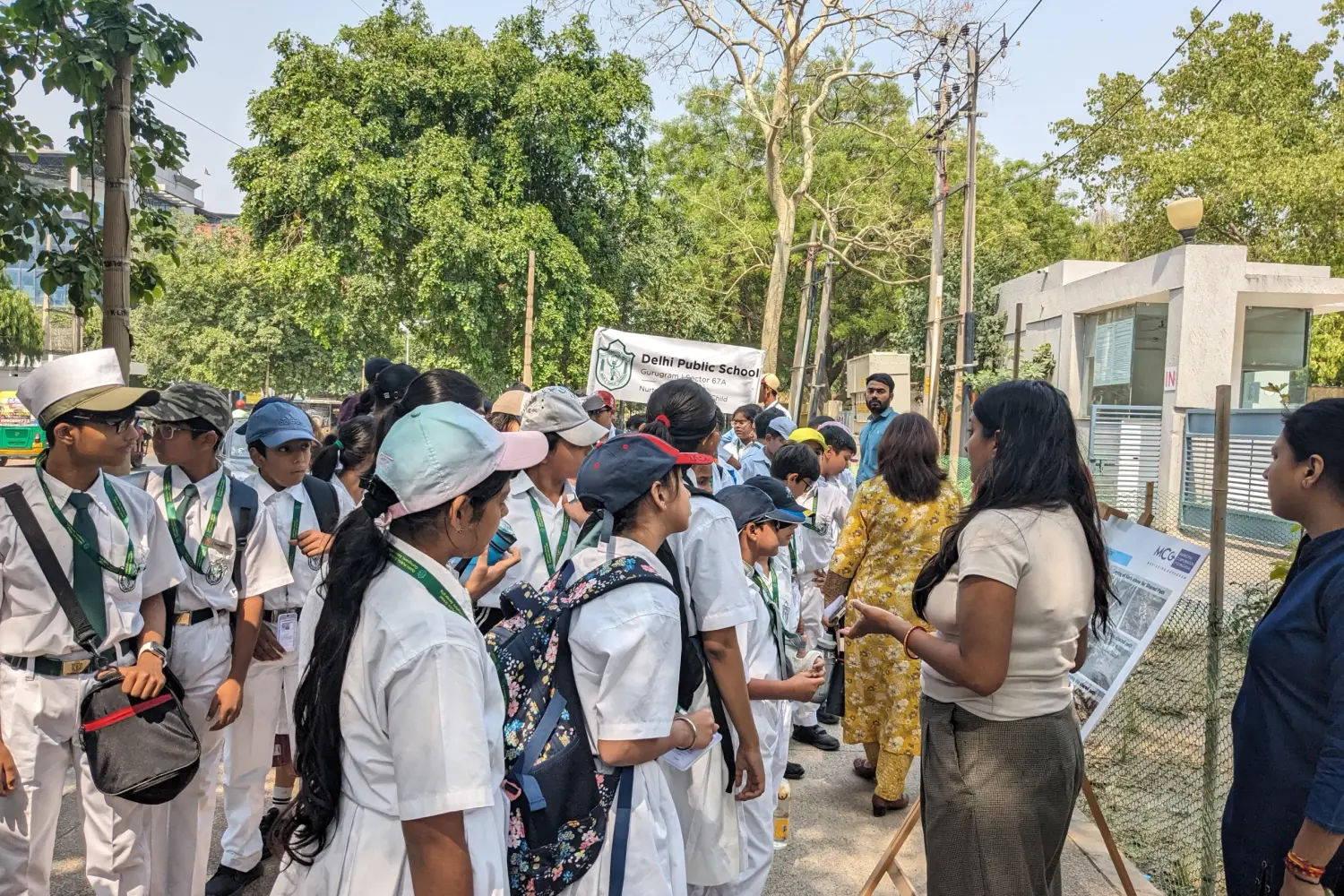
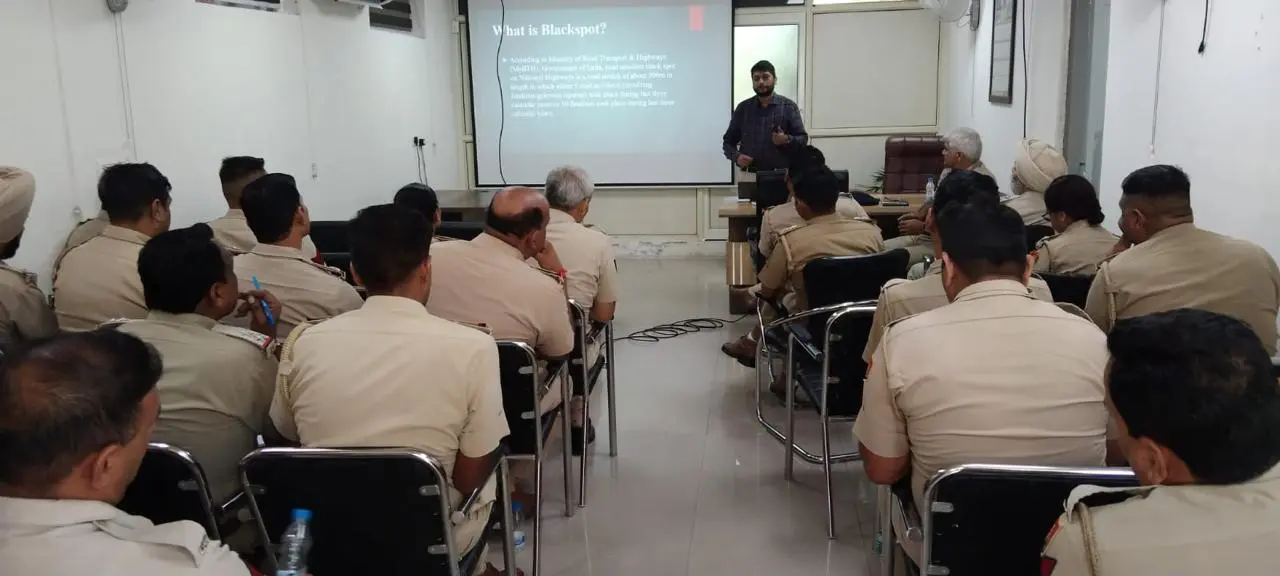
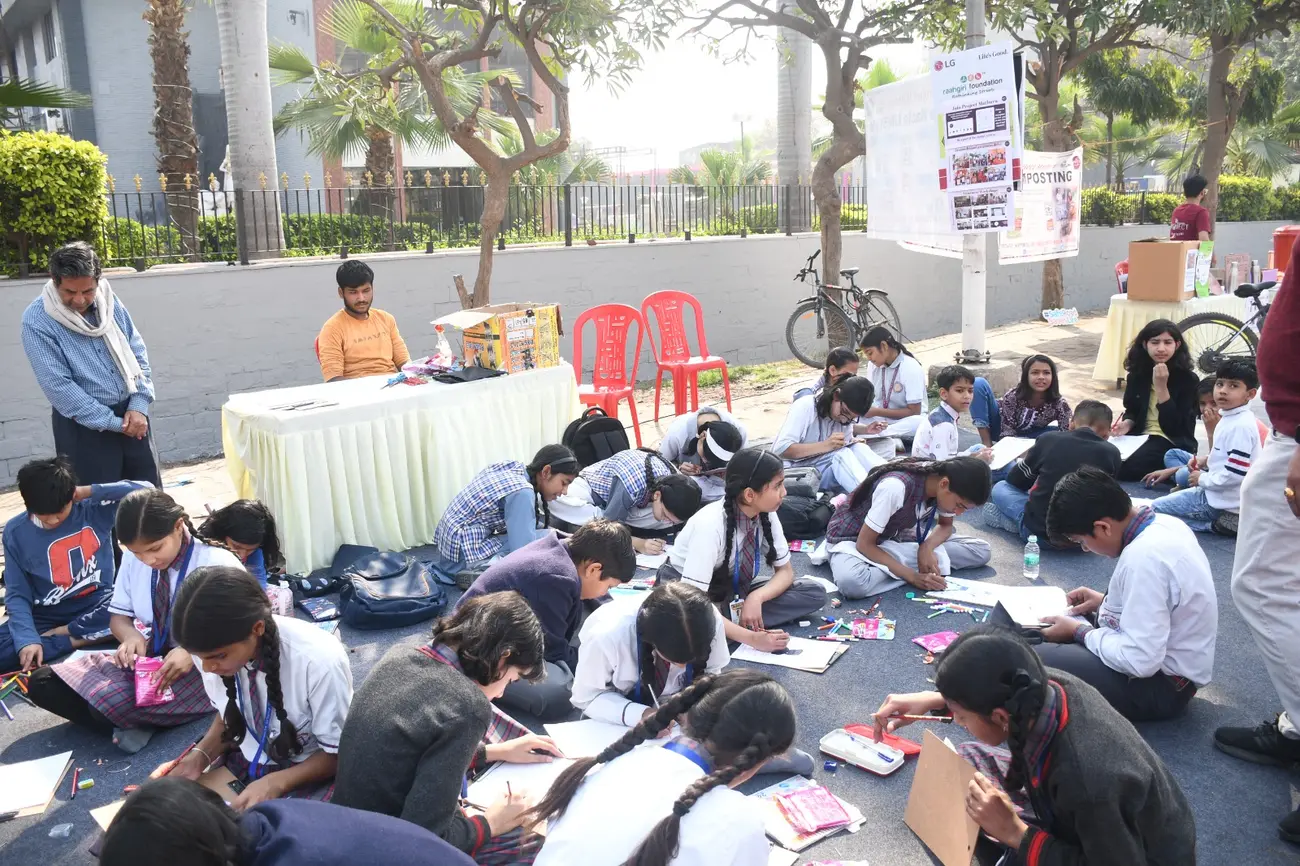
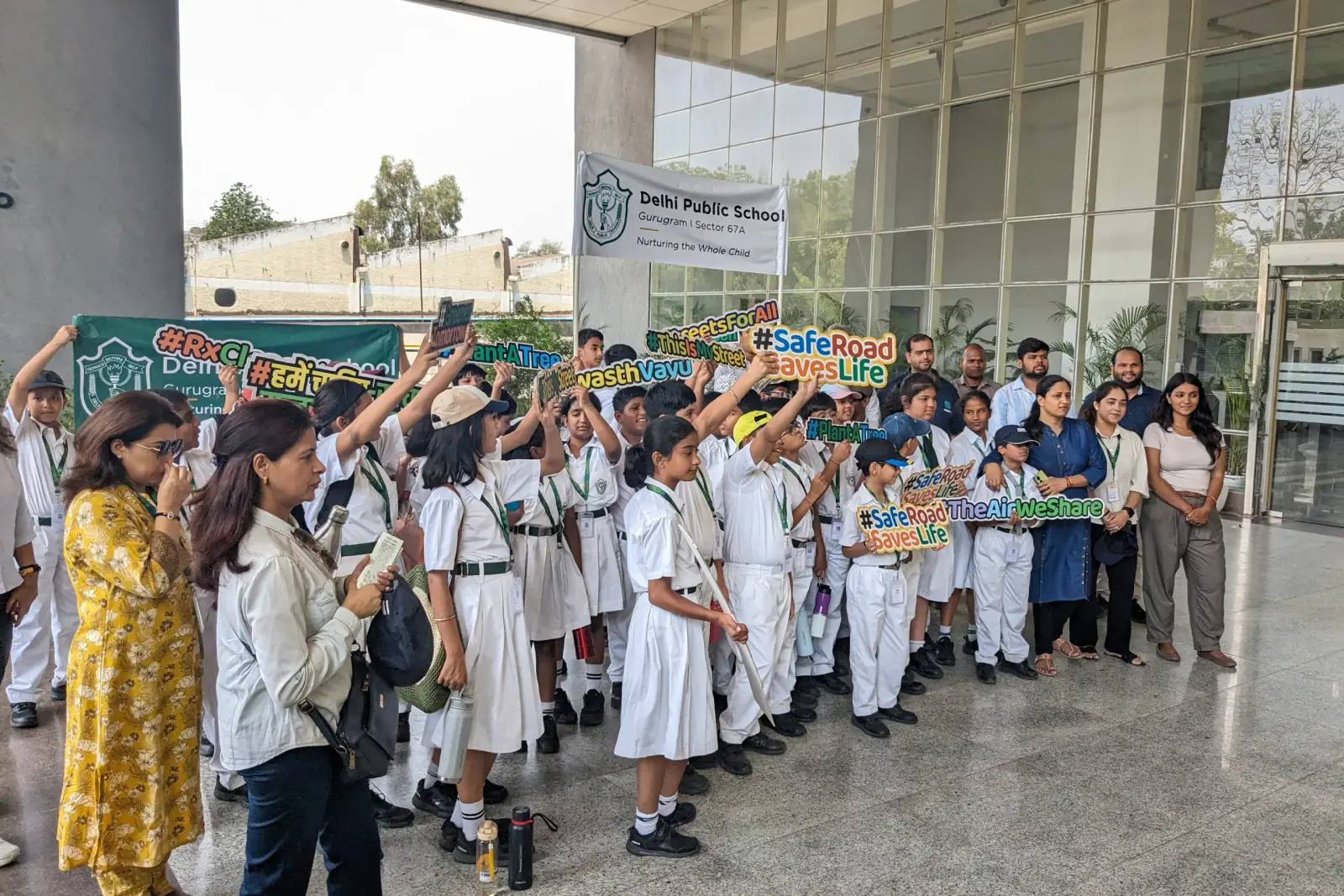
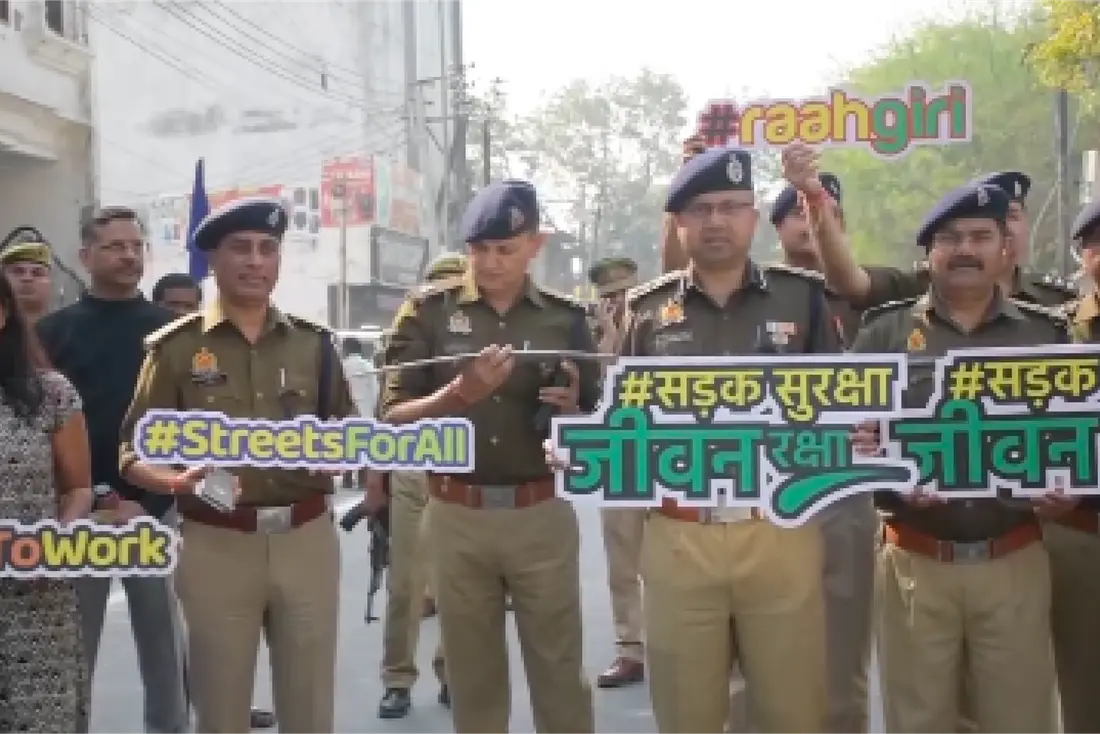
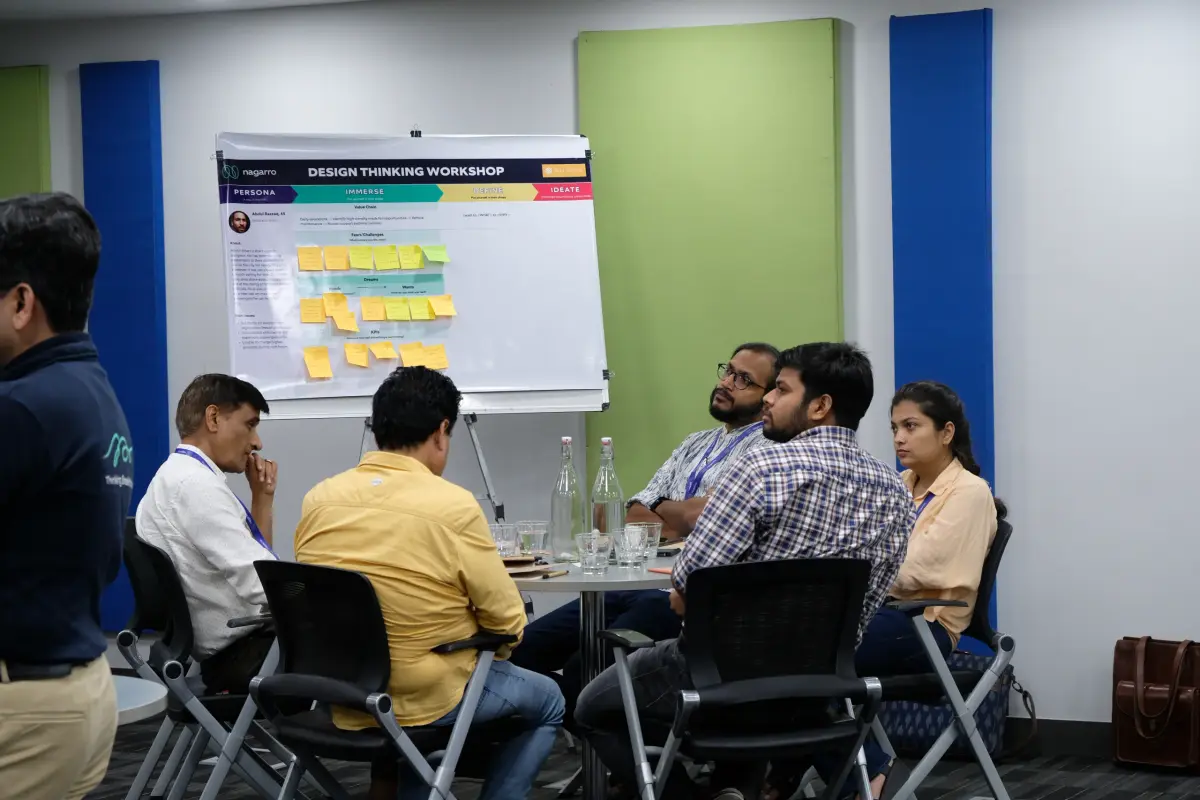
Our workshops and “walk-shops” bring city officials, police, engineers, school students, senior citizens, RWA members and volunteers onto the same footpath. Participants experience infrastructure firsthand, document what they find, analyse it and design people-friendly solutions for their own neighbourhood.
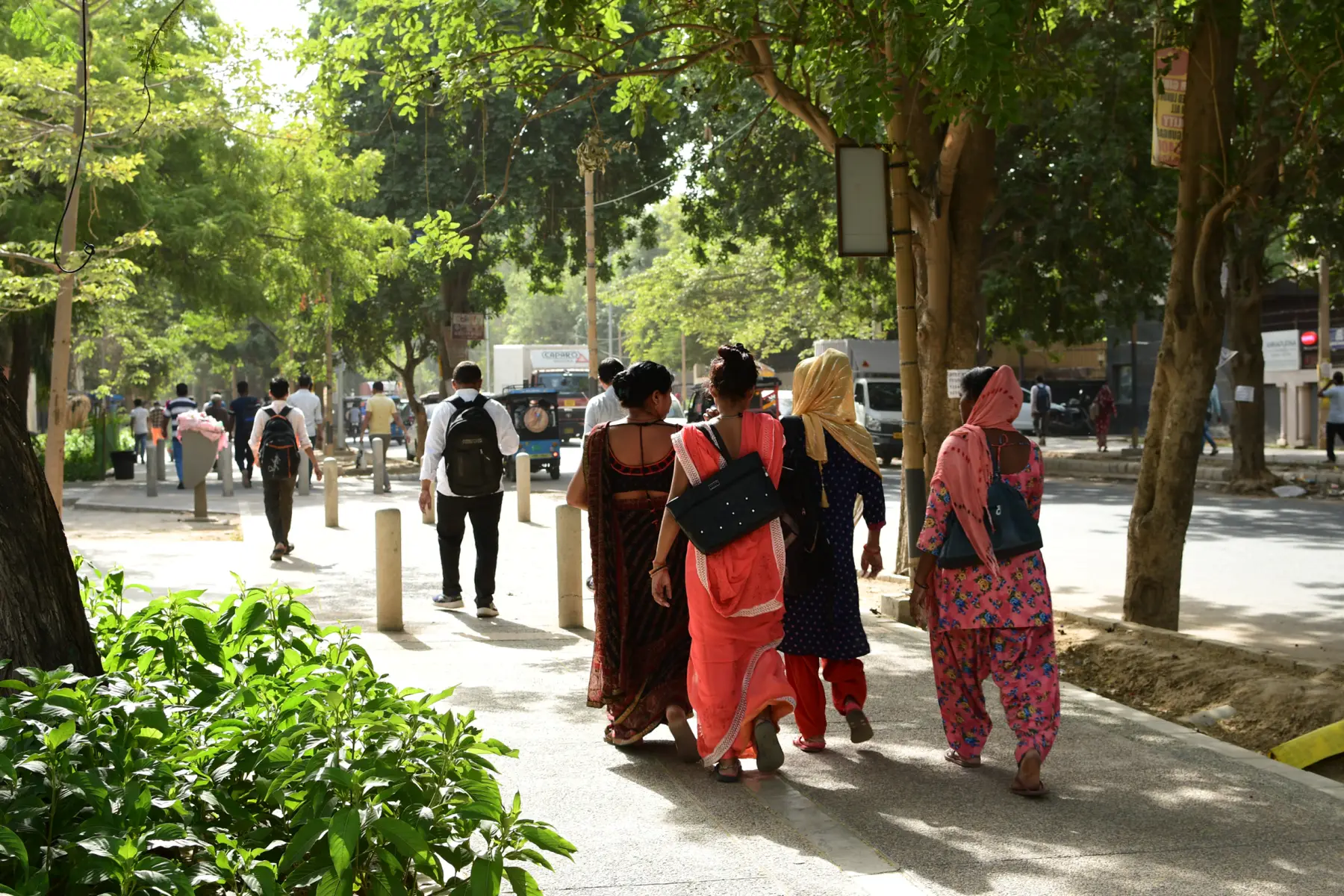
Streets are our largest public spaces. The level of quality in citizenship, along with the quality of infrastructure and services, collectively shapes the quality of life.
Stories of change
Not pilots on paper. Junctions, school gates and whole roads that look and feel different today.
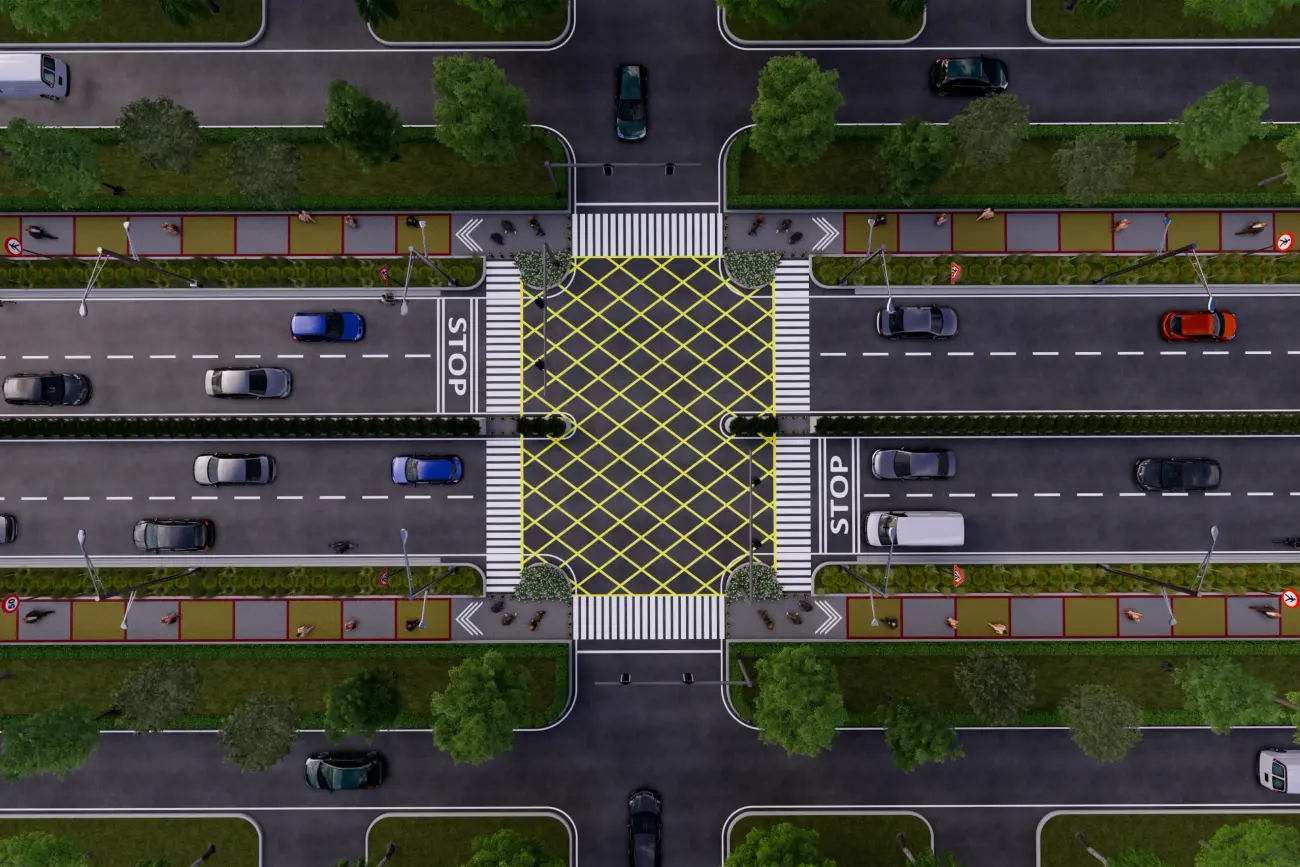 Gurugram, Haryana
Full street redevelopment
A neglected stretch was rebuilt end to end — continuous footpaths, safe crossings, drainage and lighting — proving what a complete street can look like in an Indian city.
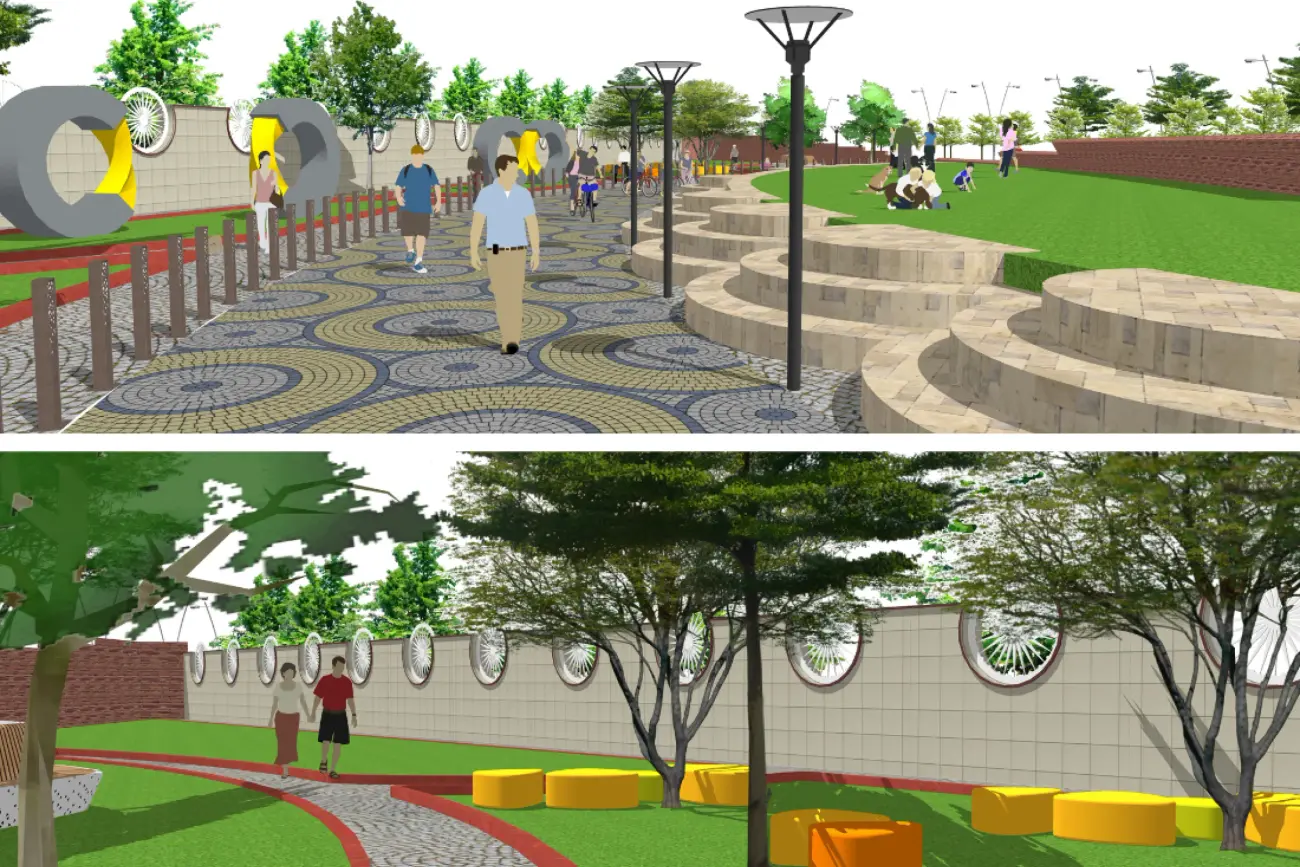 Gurugram, Haryana
Black spot transformed
One of the city's most dangerous intersections was redrawn: tighter turns, shorter crossings and protected refuge for people on foot, first in paint and cones, then in concrete.
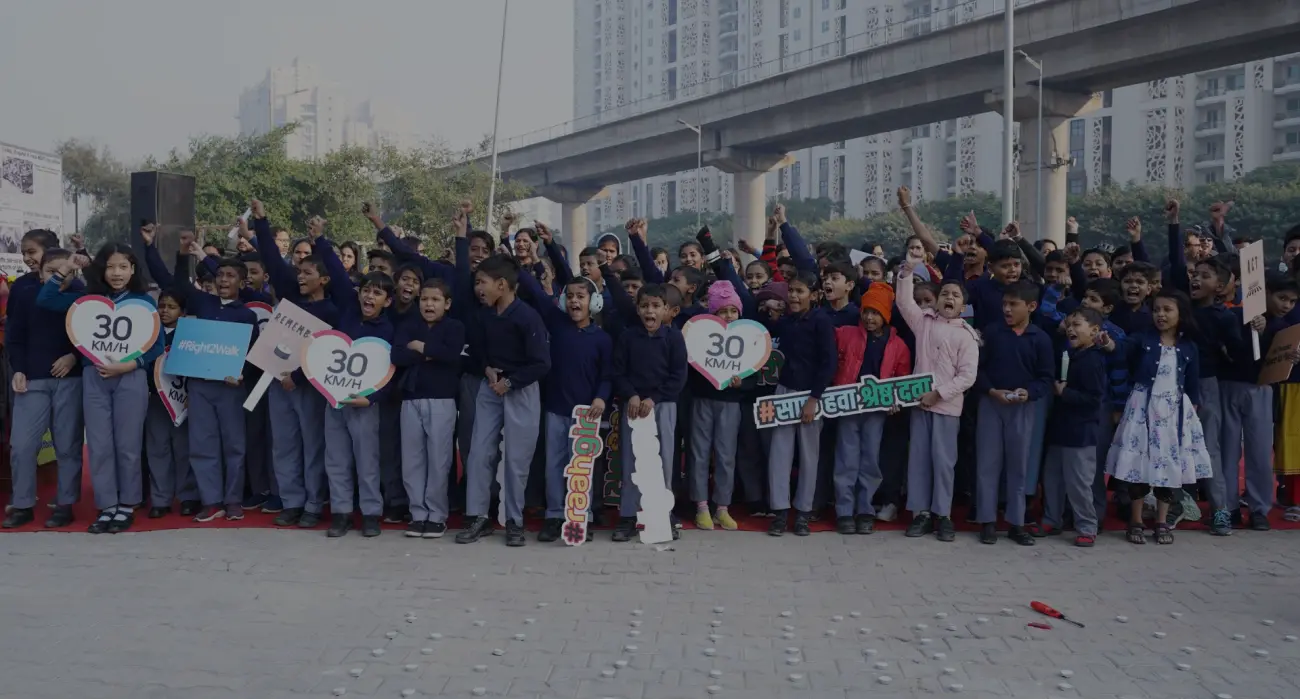 Kadipur, Gurugram
Safe school zone
Around a school gate, speeds were calmed, crossings marked and children brought into the design process — so the walk to class stops being the most dangerous part of the day.
 Panchkula, Haryana
Police, city & science together
With ICCT, Panchkula Police and Municipal Corporation Panchkula, work on crash investigation, traffic management and community awareness created a model other districts can follow.
 Mathura · Vrindavan · Varanasi
Low-emission zones
In three cities where tourism is livelihood and heritage is fragile, we are building EV adoption, pedestrian pathways and low-emission zones around the places people gather most.
 Delhi & Gurugram
Evidence for policy
Remote sensing captured what real vehicles actually emit in traffic, giving city and state governments hard evidence to design low-emission zones around.
Gallery
16 photographs from Raahgiri Days, walk-shops and street transformations
On film
What's on
Some of it happens every Sunday. Some of it happens once a year and changes how a city talks about itself.
Every Sunday · Participating cities across India
Four to five hours of car-free street, open to everyone. Walk, cycle, dance, play, or simply sit down in the middle of the road.
Find out moreGet involved
Raahgiri has always been a citizens' movement. Volunteers marshal car-free mornings, run activities for children, survey footpaths, audit school zones and carry the idea home to their own neighbourhood.
Set up, marshal and host activities on a car-free morning.
Walk a stretch, document footpaths, crossings and lighting, feed data into redesign.
Work with teachers and students to make the journey to school safer.
Design, research, film, translation, data — bring what you already do well.
Why you can trust us
Support the work
Our work is unglamorous and long: crash data, junction drawings, cones and paint, training halls, Sunday mornings. Your support pays for the parts of change nobody photographs.
Together
Raahgiri works as a coalition: state governments and city agencies, traffic police, research institutions, funders and businesses.
Government partners







Knowledge & funding partners













Newsroom
 Blog18 November 2024World Day of Remembrance for Road Traffic Victims 2024On the third Sunday of November we remember those lost on our roads — and confront the scale of India's road safety crisis.
 ReportLearning HubAnnual reports & toolkitsOur annual reports, the Raahgiri Day toolkit, workshops and training material — everything a city needs to start.
 PodcastLearning HubConversations on cleaner, safer citiesExperts, officials and citizens on air quality, road safety and what it takes to change a street.
Questions
Still unanswered? Write to us — we read everything that lands in the inbox.
info@raahgirifoundation.orgFor four to five hours on a Sunday morning, a designated stretch of street in a participating city becomes car-free. People walk, cycle, play, exercise and meet their neighbours on the carriageway. Launched in Gurugram in 2013, it is India's first sustained car-free citizen initiative and has since reached 100 cities and more than 14 million footfalls.
Contact
Whether you are a city official, a school, a resident group, a funder or a citizen with one bad junction in mind — we would like to hear from you.
Find us
Registered address
D-2204, IREO the Grand ArchGolf Course Road Extension, Sector 58Gurgaon, Haryana – 122007Gurugram office
C-74, LGF, SuncitySector 54Gurugram, Haryana – 122011